Usually not. Hospital emergency departments treat the dangerous parts of a dental problem, like spreading infection, facial injuries and bleeding that won't stop. They generally don't pull teeth, do root canals or fill cavities. For the tooth itself, you need a dentist, ideally the same day.
What the emergency room does for dental problems
An ER is set up to keep you safe, not to fix teeth. For a dental emergency, that usually means:
- Checking for infection that has spread beyond the tooth into the face, jaw or neck
- Treating swelling that affects breathing or swallowing
- Giving IV fluids, antibiotics or pain control when needed
- Treating injuries from a fall, a car crash or a sports accident, including a broken jaw
- Stopping bleeding that won't stop with pressure
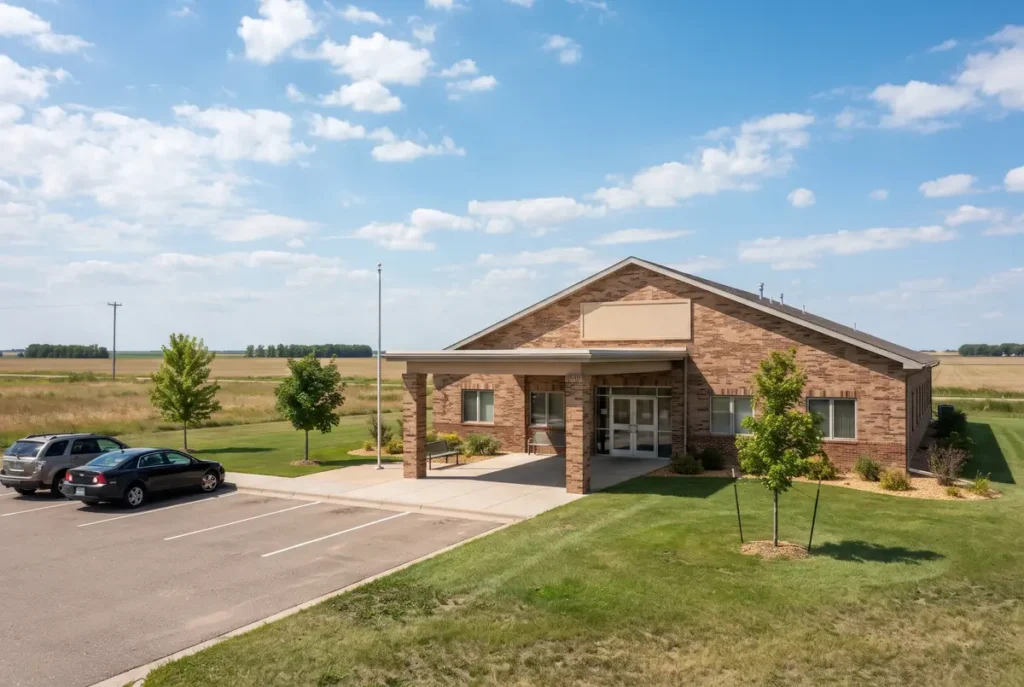
What you usually won't get is treatment of the tooth. Emergency doctors aren't dentists, and most hospital emergency departments don't have dental equipment. You may leave with a prescription and instructions to see a dentist.
When you should go to the ER first
Go straight to the nearest emergency department if you have:
- Swelling spreading toward your eye or down your neck
- Trouble breathing or swallowing
- A high fever with a swollen face
- Bleeding that won't stop after 30 minutes of firm pressure
- A head injury, a possible broken jaw, or a cut that needs stitches
These can be signs of a serious infection or injury. The Mayo Clinic notes that a tooth abscess that spreads can become life-threatening, which is why swelling near the eye or neck is never a wait-and-see problem.
When a dentist is the right call
Most dental emergencies are better handled by a dentist:
- A toothache that throbs or keeps you awake
- A swollen gum or a bump on the gum, without the warning signs above
- A broken or chipped tooth
- A knocked-out adult tooth (call a dentist right away; time matters)
- A lost filling or crown
- Wisdom tooth pain
A dentist can take an X-ray, find the cause and treat it, often in one visit. That might mean draining an abscess, starting a root canal or removing the tooth.
Why antibiotics alone don't solve it
Antibiotics can calm an infection for a while. But the source of most dental infections is inside the tooth or in the gum around it. When the pills run out, the infection often comes back. Treating the tooth is what ends the cycle.
What to do while you wait to see a dentist
- Take an over-the-counter pain reliever exactly as the label says.
- Rinse with warm salt water.
- Use a cold pack on the outside of your cheek, 15 minutes at a time.
- Keep your head raised when you lie down.
- Avoid very hot, cold, hard or sweet foods on that side.
- Don't put aspirin directly on the gum, and don't try to fix a broken tooth or crown yourself.
The American Dental Association's MouthHealthy guide to dental emergencies covers first aid for common problems.
Frequently asked questions
Will the ER give me something for the pain?
They may treat pain and infection, and they may prescribe medicine. What they generally won't do is fix the tooth causing the pain, so you'll still need a dentist.
What if it's the weekend and my dentist is closed?
Call anyway. Many dental offices have an answering service that can hold the next opening. If you have any of the ER warning signs, go to the hospital first.
Is an urgent care clinic any different?
Urgent care clinics are similar to the ER for dental problems: they can check you over and may prescribe medicine, but they usually don't treat the tooth.
If you're in Tracy or southwest Minnesota
Emergency Dentist in Tracy is at 212 3rd St Ste 4, Tracy, MN 56175. We hold same-day appointments Monday through Thursday, 7:30 AM to 4:00 PM, and the phone is answered 24/7. Call (507) 555-0142 first; we don't take walk-ins. More on emergency tooth extraction and abscess treatment.
The $539.47 figure is an estimated maximum, not a fixed fee. It covers a limited emergency exam, one dental X-ray and a CBCT (3D) scan if the dentist needs one. Your actual charge depends on the imaging you need, and a CBCT scan is not always necessary. Treatment is charged separately and explained before any work starts.
This article is for general education and is not a substitute for an exam by a licensed dentist.